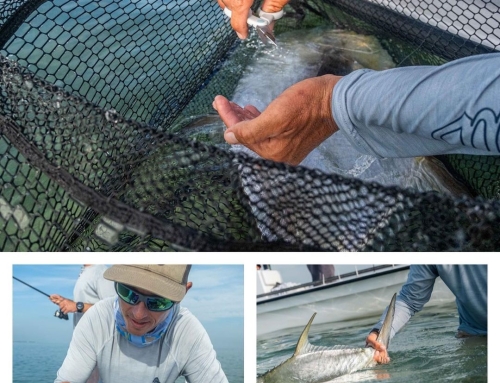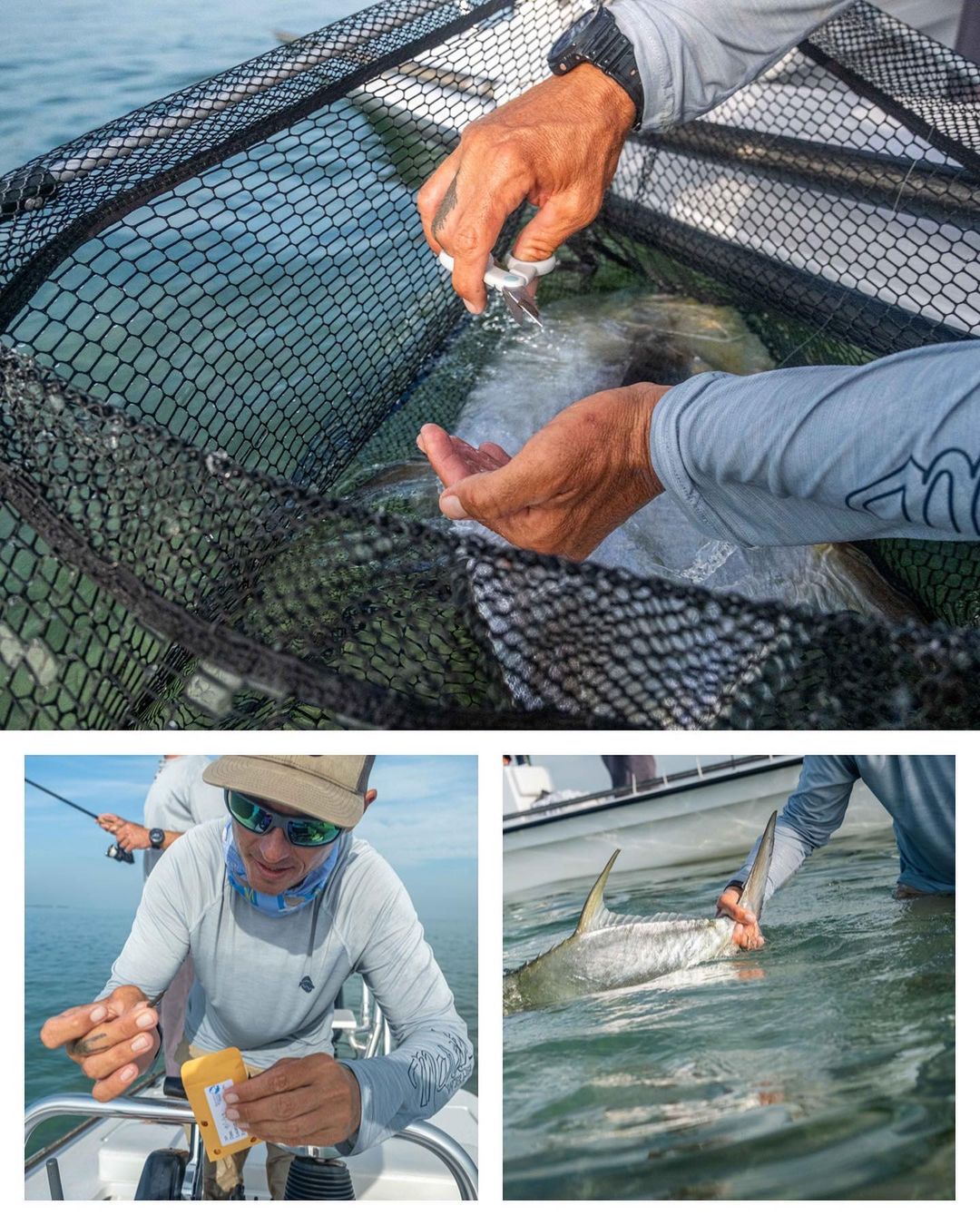
When cold temperatures swept across South Florida earlier this month, Bonefish & Tarpon Trust (BTT) and Florida International University (FIU) researchers partnered with fishing guides to document the event’s impact on the region’s fisheries. We thank the scientists and guides who committed time to this effort.
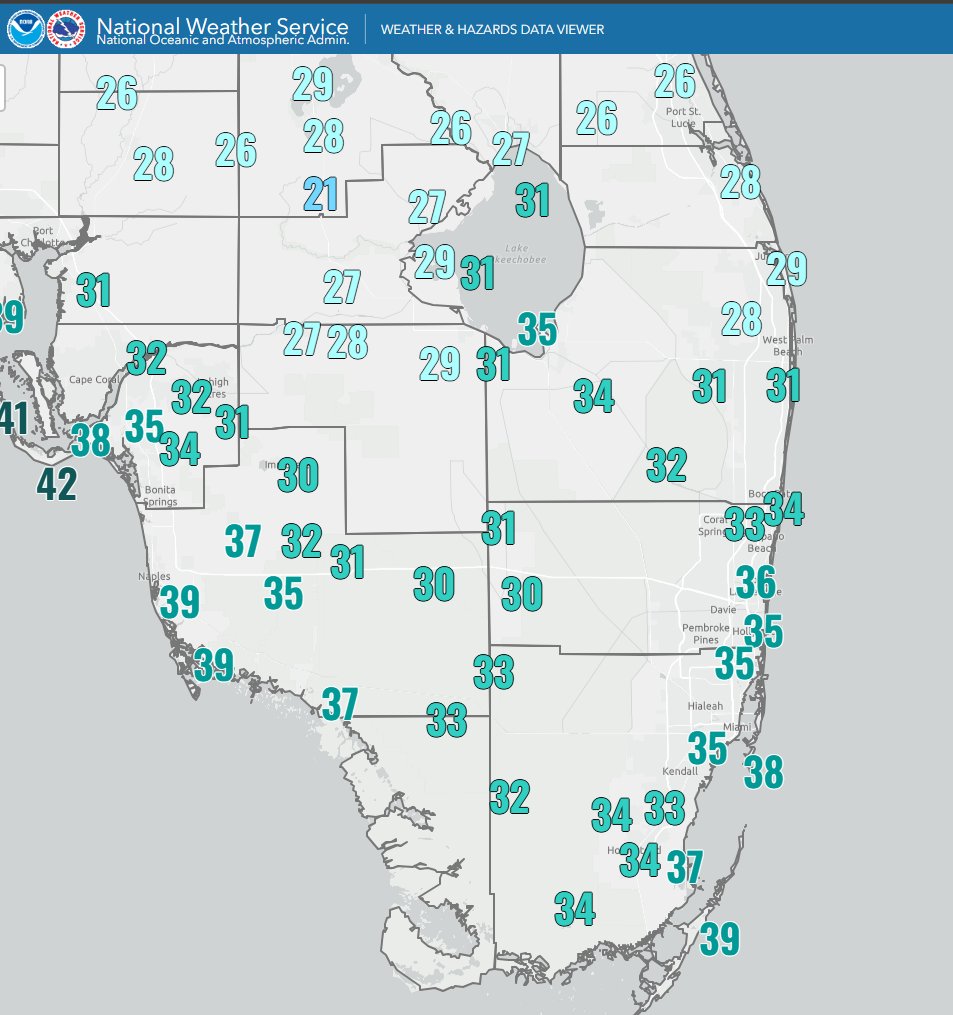
Our team found that this 2026 cold-weather event, though a once in a 15-year episode, was considerably less severe in terms of temperatures and cold deaths than the 2010 freeze. Across the response period, a total of 241 reports documented 818 dead animals. Of the 241 total reports compiled during the response period, 159 were recorded directly by scientific field teams, and 82 were submitted by professional fishing guides. Dead barracudas were reported the most frequently and across most regions in the Keys and Biscayne Bay. For other gamefish, teams received reports of 19 dead juvenile and sub-adult bonefish, 21 permit, 50 snook, and 77 goliath grouper. 13 of the 19 bonefish and 34 of the 77 goliath grouper reported dead were found and brought back to the Key Largo ranger station for necropsy. Though cold mortalities occurred across the Keys, 75% of the reported and observed dead animals were in central Florida Bay and the Upper Keys, corresponding to where water temperatures were the coldest.
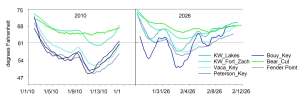
Figure 1) hourly temperatures during the 2010 event (left) and 2026 event (right) across seven hydrostations spread from Key West to Biscayne Bay that were active during either or both events. The horizontal black line marks stressful temperatures for tropical fish.
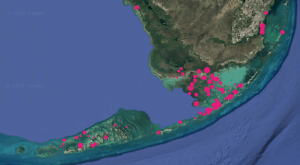
Figure 2) 93 locations of observations and guide reports of dead animals from January 31 to February 11, 2026. The size of the dots corresponds to the number of reports at each location.
Read more initial findings from Bonefish & Tarpon Trust HERE